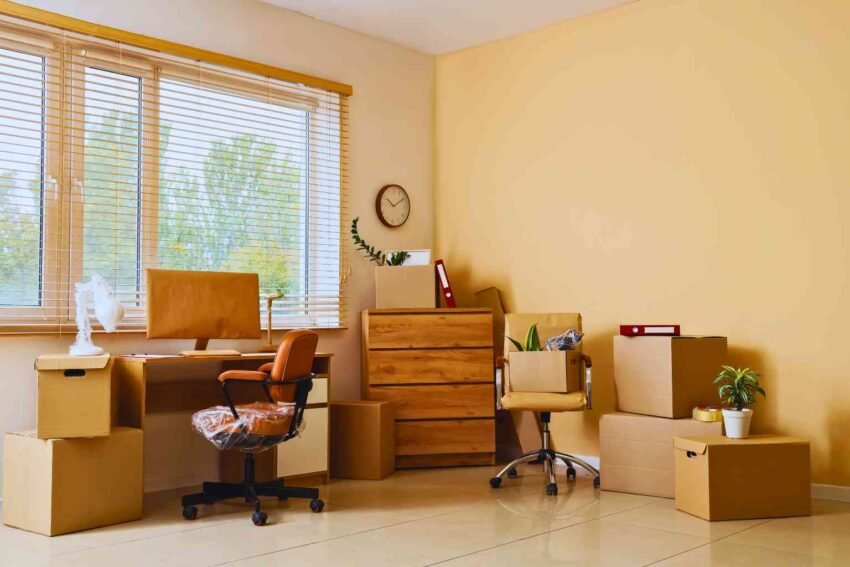
We’ve seen dramatic shifts in the way people live and work over the past several years. The adoption of remote and hybrid work has turned homes into multiuse spaces. “The temporary normal is now longer-term normal. Content continued below That’s why home design that caters to working from home is increasingly becoming the new standard. Buyers and builders are giving special thought to layouts, features and amenities that inspire productivity while also ensuring comfort.
1. How Remote Work Has Changed What Buyers Are Looking For
Previously, homes were being built based on the purpose of living. Indeed, many of us now work from home at least part of the day. Therein lies the demand for dedicated workspaces, good lighting, soundproofing and for that finicky internet to not fail constantly.
2. Dedicated Home Office Spaces
Among the biggest trends are separate home office rooms or study corners. Now buyers want flexible spaces that can serve as work areas. Even small apartments are being laid out with tiny little work niches or convertible rooms.
3. Importance of Natural Light and Ventilation
Good lighting and fresh air boost productivity. Homes with large windows, balconies, and wide views attract remote workers because they feel open and inspiring. Natural light reduces eye strain and helps people stay focused, especially during long afternoons.
4. Smart Layout and Space Optimization
Homes of the future will be designed to manage work and personal life.”
- Foldable desks and modular furniture
- Soundproof partitions
- Sliding doors for privacy
- Multi-purpose rooms
- Ergonomic workspace planning
These functions are designed to ensure optimal comfort, even in confined spaces.
5. Reliable Technology Infrastructure
Reliable internet access is now as essential as electricity and running water. Buyers now care more about properties in places with reliable broadband. The complexes of some have shared working spaces for residents.
6. Growth of Co-Working Amenities in Housing Projects
Designe s are bringing co-working lounges and meeting spaces into residential buildings.
- Co-Working space in the building
- High speed Wi-Fi zones
- Conference rooms for virtual meetings
- Printing and workspace facilities
- Quiet work pods
This has made modern housing projects an appreciating asset.
7. Move Toward Bigger and Bendier Homes
As remote work minimizes the need for daily commutes, many families are looking for slightly more space in suburban areas. Additional space allows for comfortable home offices without impeding family activity.
8. Impact on Real Estate Demand
Work-from-home compatible homes are also in greater demand. (Home with a study or extra flexible space tend to sell faster.) Builders are planning on new types of floor plans to accommodate this trend.
9. Balancing Work and Personal Life
It’s all in the design when it comes to balance. If you can set up a space where only work is done, it may help keep stress at bay and productivity up. Clear delineations between work areas and living areas are better for morale.
10. The Future of Home Design
Work-from-home friendly housing is here to stay. While working from home remains a hybrid, residential designs will permanently bake in productivity-minded features. Smart homes, versatile layouts and tech integrations will help determine the future of urban housing.
Key Takeaways
With the surge in remote work, housing design priorities have shifted. Purposeful work areas, reliable connections, natural light and versatile floor plans are now basic amenities. Homes that are work-from-home compatible, as a new construction report reveals creates better productivity, comfort as well as longterm value in today’s real estate markets.
FAQs:
Q1. What is the significance of home offices in contemporary homes?
As we know, many professionals now labor from home and require dedicated work spaces.
Q2. Do work-from-home compatible homes cost more?
They may also be priced slightly higher because of the extra bells and whistles and space.
Q3. Do the remote work trends do any good for suburban homes?
Yes, lots of buyers would rather have more space out in the suburbs for added workspace.
Q4. Are co-working spaces becoming a part of developers projects?
Sure, most new projects feature shared work spaces and meeting rooms.
Q5. Will work-from-home housing design become a lasting trend?
Yes, hybrid work models will suggest it does.