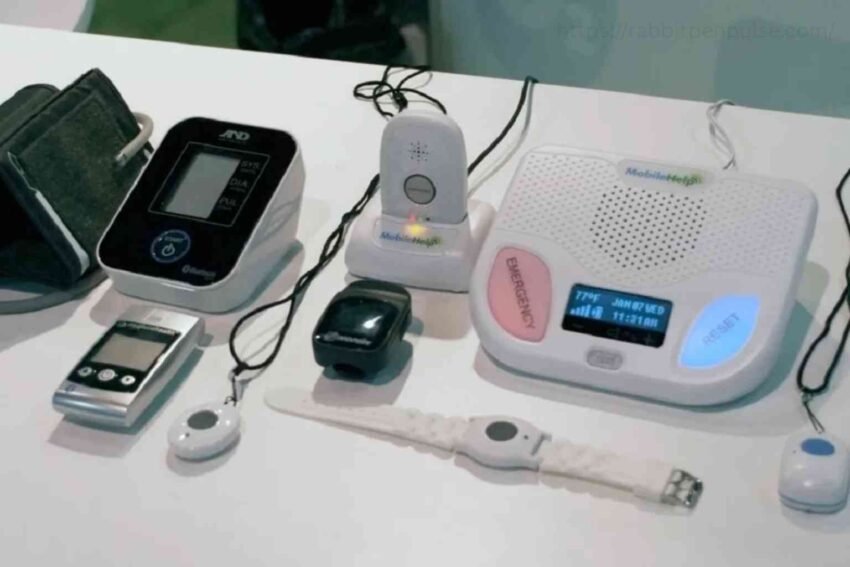
Health care is leaving the hospital and the clinic. Nowadays, many individuals are able to monitor their health with the help of smart devices from the comfort of their home. Wearable fitness trackers and digital blood pressure monitors have made it more high-tech and easier for people to monitor their health at home. These gadgets allow people to spot problems or chronic conditions, monitor their health and stay informed about how they’re feeling. Healthcare is getting more personalized, networked, and preventive.
1. At-Home Health Monitoring Devices: What They Are
Follow-up At-home health monitoring tools for patients to monitor their own health parameters outside a clinic setting. These can range from heart rate belts, blood glucose meters, blood pressure monitors, O2 meters and smartwatches.
2. Why Home Monitoring Is Growing
The fast pace of life and raising health consciousness have lead to the need for our daily monitoring of health related stats. “There’s good data that if you can catch the abnormal readings early, it helps prevent more severe stuff later. At-home devices also serve to minimize the requirement of repeated hospital visits.
3. Role of Wearable Technology
Then there are wearables like smartwatches and fitness bands that record heart rate, sleep and activity. Ongoing tracking can help you learn even more about your health behaviors and trends.
4. Managing Chronic Conditions at Home
Patients suffering from illnesses such as hypertension,diabetes need to monitor their health situation at home regularly. Daily tracking of data facilitates the efficient management of treatment plans and notifications about deviations from normal behaviour.
5. Key Benefits of At-Home Monitoring
At-home devices offer several advantages:
- Early detection of health risks
- Convenience and time savings
- Real-time data tracking
- Improved patient engagement
- Better communication with healthcare providers
These benefits support proactive healthcare.
6. Integration With Telemedicine
Vital signs monitoring devices are usually interfaced with a telemedicine system. Patients may also share health data with doctors during virtual visits. This leads to better diagnoses and more personalized care.
7. Accuracy and Reliability Considerations
With the end-of-2017 rollouts of new devices and apps, accuracy is improving but remains dependent upon proper use and calibration. Read instructions carefully and consult your health professional when readings seem unusual.
8. Privacy and Data Security Concerns
Digital health monitors gather sensitive data. Protecting this data is essential. Apps and encrypted services provide privacy.
9. Personalized Health Insights
Newer tools rely on AI to find patterns. Personalized suggestions by daily habit encourage users to take lifestyle moderation into account.
10. The Future of Home-Based Healthcare
With advancement in technology, at-home monitoring will become more sophisticated. Preventive care will be shaped by noninvasive sensors, continuous glucose monitoring and predictive health alerts. Henceforth, smart devices will be possible to make early traces and personalized management for the healthcare in the future.
Key Takeaways
At-home health monitoring tools are revolutionizing healthcare, providing convenience, instant tracking and preventative care. As wearable technology becomes more married to telemedicine in the future, it will allow people to take control of their health even more.
FAQs:
Q1. What are at-home health monitoring gadgets?
They are instruments for monitoring health outside hospitals.
Q2. Are home monitoring devices accurate?
Several are solid when used properly, but professional advice is still valuable.
Q3. Are these devices a substitute for visiting the doctor?
No, they can complement but not entirely replace medical visits.
Q4. Can wearables contribute to long-term health?
Yes, they offer reliable tracking and data to glean from.
Q5. Will home health monitoring grow even more?
Yes, technological advances are increasing its use around the world.